
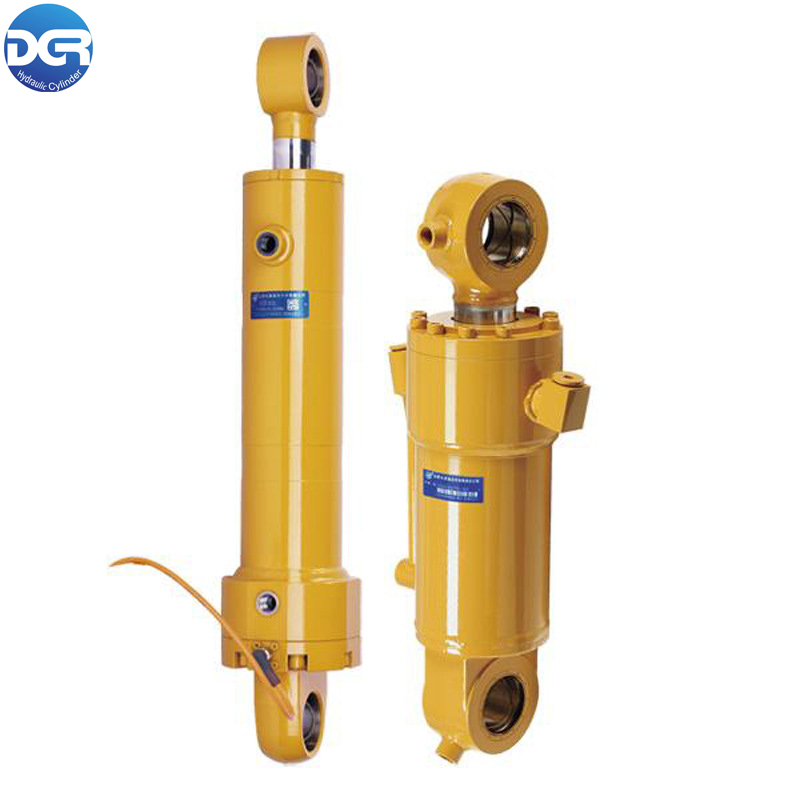
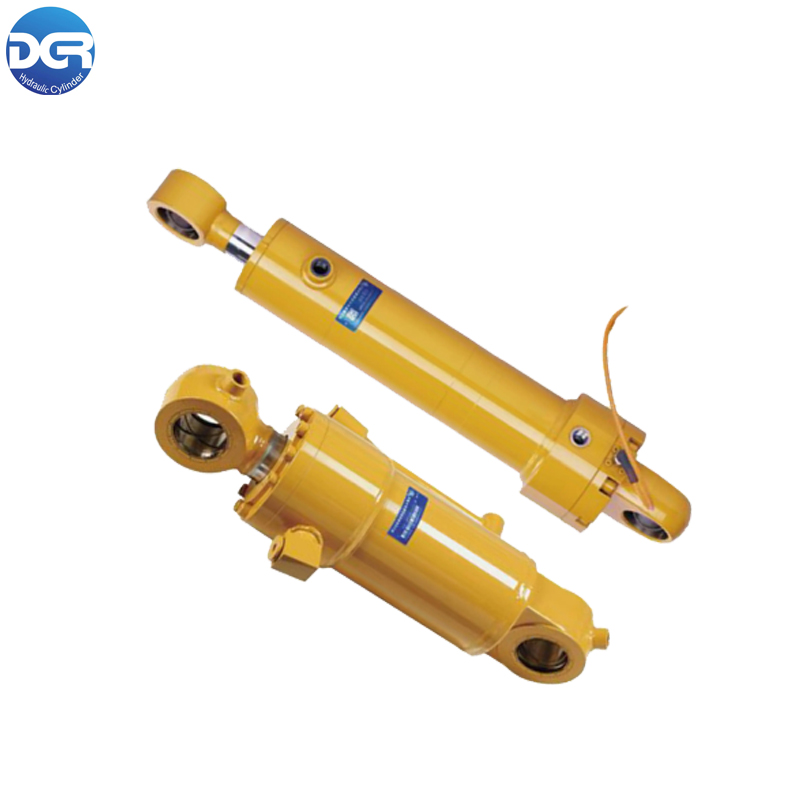
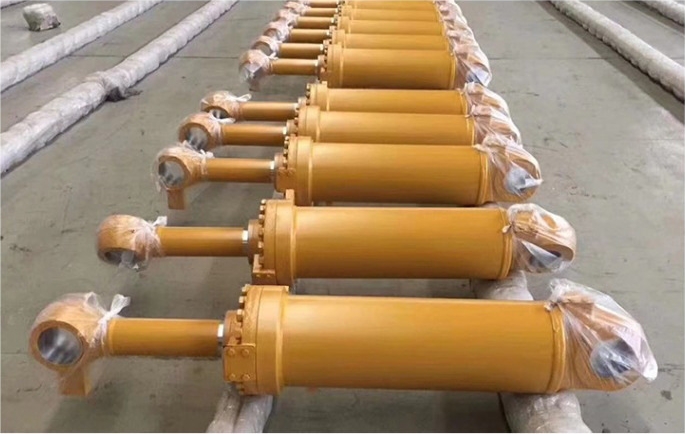
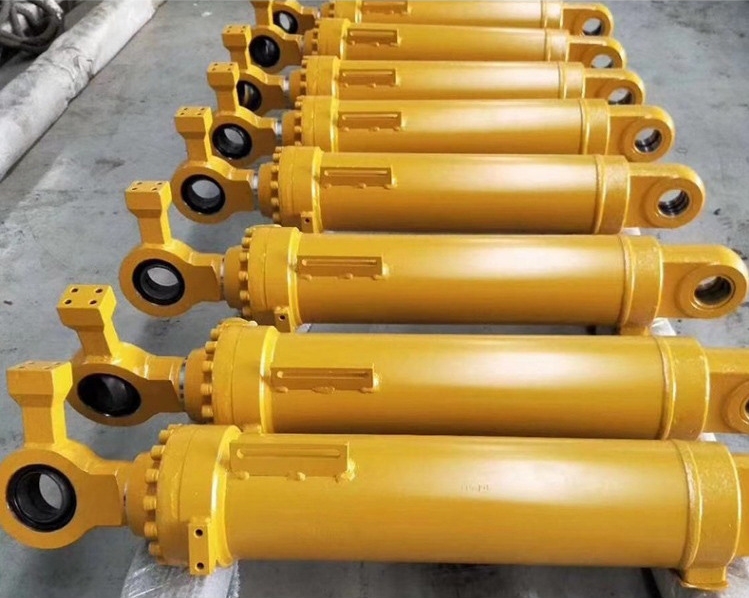
Description
Hydraulic Cylinder Selection
Determine the degree of corrosion and dust prevention of the hydraulic oil cylinder based on its working status, such as temperature, humidity, etc. The required output, load condition, stroke size, working system, etc. of a hydraulic cylinder can be used to determine the size of the piston and piston rod of the hydraulic cylinder, as well as the ultimate strength verification and fatigue life calculation of the hydraulic cylinder. The selected working pressure and flow rate of the hydraulic system; Assist in determining the main dimensions of oil cylinders, such as pistons and connecting rods.
After determining the materials of each main component, the wall thickness of the hydraulic cylinder barrel and the diameter of the hydraulic piston rod can be calculated based on the output requirements and material strength of the hydraulic cylinder. Determine the structure of the oil cylinder and the connection method of the front and rear end caps based on the connection interface with the host, installation space, etc. Select the sealing method of the oil cylinder based on oil pressure, working temperature of the oil cylinder, and the presence or absence of dust. Based on the operating load and control situation of the hydraulic cylinder, a reasonable design of the hydraulic buffer should be carried out. A reasonable buffer design can reduce the impact load and avoid early damage to the hydraulic cylinder. Based on the working environment, a reasonable anti-corrosion coating should be designed to ensure that the hydraulic cylinder will not be corroded by external corrosive environments during long-term operation. It should be made into part drawings and assembly drawings, and corresponding technical documents should be written.
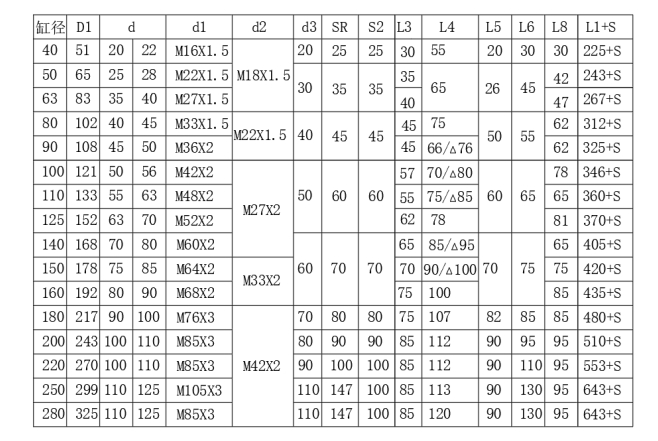
Hydraulic cylinder parameter selection, 1) cylinder inner diameter, 2) stroke, 3) piston rod diameter, 4) cylinder speed, 5) oil port diameter, etc.
Basic parameters of engineering hydraulic cylinder


 English
 العربية
 繁體中文
 Nederlands
 Français
 Deutsch
 Bahasa Indonesia
 Italiano
 日本語
 한국어
 Polski
 Português
 Română
 Русский
 Español
 ไทย
 Türkçe
 Tiếng Việt
Reviews
There are no reviews yet.